🏛️ Workshop Title:
Arabic Manuscript Studies: A Practical Seminar in Textual Editing and Heritage Research
Overview:
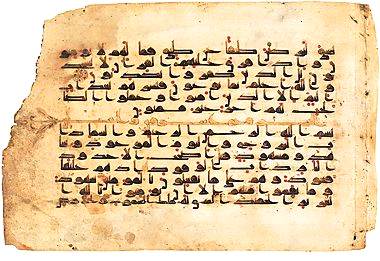
This advanced seminar provides graduate-level training in the study and editing of Arabic manuscripts. It combines theoretical approaches with hands-on techniques to help students, researchers, and professionals navigate the complexities of Arabic manuscript heritage.
دَوْرَةُ تَحْقِيقِ الْمَخْطُوطِ الْعَرَبِيِّ وَوَرْشَتُهُ الْعَمَلِيَّةُ
A survey of modern scholarly trends and methodological schools in Arabic textual criticism and editing
From papyrus to print: materials, formats, and historical evolution of Arabic script and book culture.
How to use bibliographies like Kashf al-Ẓunūn, al-Aʿlām, Fihris Makhtūṭāt al-Ẓāhiriyyah, and others
Navigating tarājim works (Siyar, al-Wafayāt, al-Aʿlām) to verify authorship and contextualize texts
Understanding how classical and historical dictionaries support manuscript editing.
Dealing with:
▫ Taṣḥīf (scribal misreading),
▫ Taḥrīf (deliberate alteration),
▫ Wahm (confusion or illusion),
▫ Sabaq al-naẓar (mental lapses from earlier thoughts).
Core Modules:
Contemporary Methodologies in Manuscript Editing
— A survey of modern scholarly trends and methodological schools in Arabic textual criticism and editing.A Historical Overview of the Arabic Manuscript Tradition
— From papyrus to print: materials, formats, and historical evolution of Arabic script and book culture.Arabic Bibliographic Resources
— How to use bibliographies like Kashf al-Ẓunūn, al-Aʿlām, Fihris Makhtūṭāt al-Ẓāhiriyyah, and others.Classical Biographical Dictionaries
— Navigating tarājim works (Siyar, al-Wafayāt, al-Aʿlām) to verify authorship and contextualize texts.The Critical Role of Arabic Lexicons
— Understanding how classical and historical dictionaries support manuscript editing.Major Challenges in Textual Criticism
— Dealing with:
▫ Taṣḥīf (scribal misreading),
▫ Taḥrīf (deliberate alteration),
▫ Wahm (confusion or illusion),
▫ Sabaq al-naẓar (mental lapses from earlier thoughts).
🛠️ Practical Steps in Manuscript Editing:
A. Authentication Phase (توثيق):
Verifying the manuscript title.
Attributing authorship.
Ensuring the integrity of the pages (checking for interpolated material from unrelated works).
B. Reading & Collation Phase (قراءة ومقابلة):
Initial reading and transcription of the manuscript.
Creating a base text.
Comparing different manuscript copies.
C. Critical Apparatus & Scholarly Annotation (خدمة التحقيق):
Footnotes: Qur’anic verse referencing, ḥadīth verification, and classical poetry citation.
Commentary and identification of sources and references.
D. Indexing (الكشافات):
Indexes of names (proper nouns), ḥadīth entries, rare vocabulary, and rhyme endings (especially in poetry).
Final Applied Assessment
At the end of the seminar, each participant will undergo a hands-on final assessment consisting of:
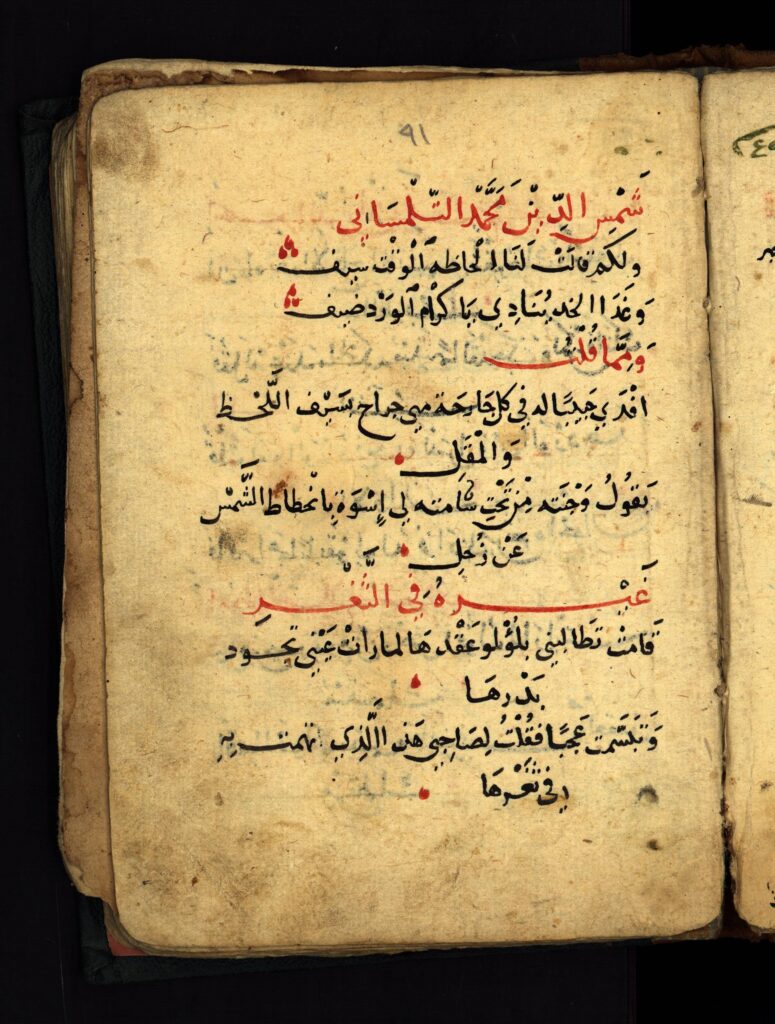
Full critical editing of selected pages from real Arabic manuscripts (from different historical periods).
The assessment will require the student to apply all previously studied stages:
▫ Authentication
▫ Transcription and collation
▫ Scholarly annotation and source referencing
▫ Indexing and critical apparatus preparation
This is not a passive review, but an evaluated practical project designed to assess the student’s editorial competence and ability to independently manage a manuscript excerpt using professional academic standards.