History and Critical Methodology Comparison of structural approaches: ʿAyn, Tahdhīb, Lisān.
مَدْخَلٌ نَقْدِيٌّ لِدِرَاسَةِ الْمُعْجَمِ الْعَرَبِيِّ – تَتْبَعُهُ وَرْشَةُ عَمَلٍ تَطْبِيقِيَّةٌ

Advanced Lexicography Studies: Theory and Practice
This course focuses on the Arabic lexicon from multiple critical angles:
The major schools of Arabic lexicography.
The historical development of Arabic dictionaries.
The different methodologies applied in treating lexical entries.
Lexicons compiled without critical verification.
The internal structure of Arabic words as presented in lexicons.
A comparative methodological approach to lexicographic traditions.
The course concludes with a hands-on workshop, providing advanced practical training on navigating classical Arabic dictionaries. The aim is to help graduate-level students and researchers avoid common yet serious scholarly errors when consulting or citing traditional sources.
Overview:
- Many researchers treat any Arabic lexicon as an equal reference in terms of methodology, scholarly value, and precision — a serious misconception.
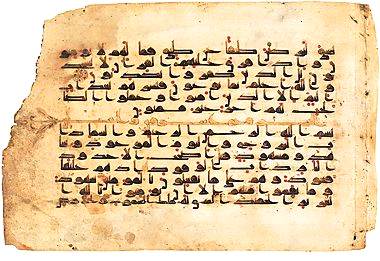
- What is often overlooked is the diversity of scientific approaches used in classical lexicons, and the frequent presence of scribal errors in their manuscript sources, which in turn led to flawed printed editions.
- These issues can result in significant semantic misinterpretations, whether in the exegesis of the Qur’an — with its profound theological implications — or in interpreting the broader framework of Arab cultural history.
1. Foundations of Arabic Word Structure
🔹 Root-Based Morphology and Derivation
The triliteral verb (fiʿl thulāthī)
Doubled triliteral verbs (mufaʿʿalāt)
Augmented roots (mazīd fīh)
Weak verbs (afʿāl mu‘tal)
Verbal nouns (maṣādir)
Derived forms and nominal structures
2. Common Pitfalls in Classical Dictionaries
🔹 Critical Case Study:
Tahdhīb al-Lugha by al-Azharī (d. 370 AH / 980 CE)
🔹 Focus Areas:Methodological inconsistency
Manuscript distortions
Printing errors and interpretive hazards
3. Scientific Methodologies in Lexicography
🔹 Core Text:
Maqāyīs al-Lugha by Ibn Fāris (d. 395 AH / 1004 CE)
🔹 Key Topics:Concept of semantic cores (ʿilal al-maʿānī)
Etymological abstraction
Root unity versus derived meaning
4. Strategic Engagement with Major Works
🔹 Reading and Application:
Tāj al-ʿArūs by al-Zabīdī (d. 1205 AH / 1790 CE)
🔹 Practical Skills:Navigation and referencing
Cross-verification of meanings
Recognizing editorial layering
5. Historical Milestone: The First Dictionary
🔹 Selective Study:
Kitāb al-ʿAyn by al-Khalīl ibn Aḥmad (d. 170 AH / 786 CE)
🔹 Discussion Points:Phonetic sequencing
Early structural logic
Lexical arrangement as a reflection of worldview
6. Practical Workshop: Lexicographic Editing Skills
Hands-On Training
Selection of authentic lexical entries
Editing based on scientific criteria
Annotation of verses, Hadiths, and poetic lines
Identifying distortion: taṣḥīf, taḥrīf, and semantic confusion
Objective: Train students in the practical techniques of textual lexicography, using real material and authentic dictionaries.